
Noise Reduction
Transform Your Manufacturing with Advanced Industrial Noise Reduction
Create a quieter, safer, and more productive manufacturing environment. With over 15 years of experience in industrial noise reduction, our comprehensive approach focuses on eliminating noise at the source, improving employee well-being and boosting production efficiency.

Is Noise Affecting Your Production Operations?
Excessive noise in manufacturing facilities is more than a distraction – it is a serious operational and health risk. High machine-generated noise can reduce productivity, impact employee safety, and expose your business to regulatory compliance risks.

The Hidden Costs of Noise in Manufacturing

Employee Health Risks
Prolonged exposure to high noise levels in industrial environments can lead to permanent hearing damage, increased stress, and reduced concentration.

Reduced Production Efficiency
Excessive shop floor noise disrupts communication and focus, increasing error rates and slowing down production workflows.

Regulatory & Compliance Risks
Failure to meet industrial noise regulations and occupational safety standards can result in penalties, audits, and operational limitations.

Degraded Working Conditions
High noise levels negatively affect manufacturing working conditions, leading to lower morale, higher absenteeism, and increased employee turnover.
Your Complete Solution for Noise Reduction in Manufacturing
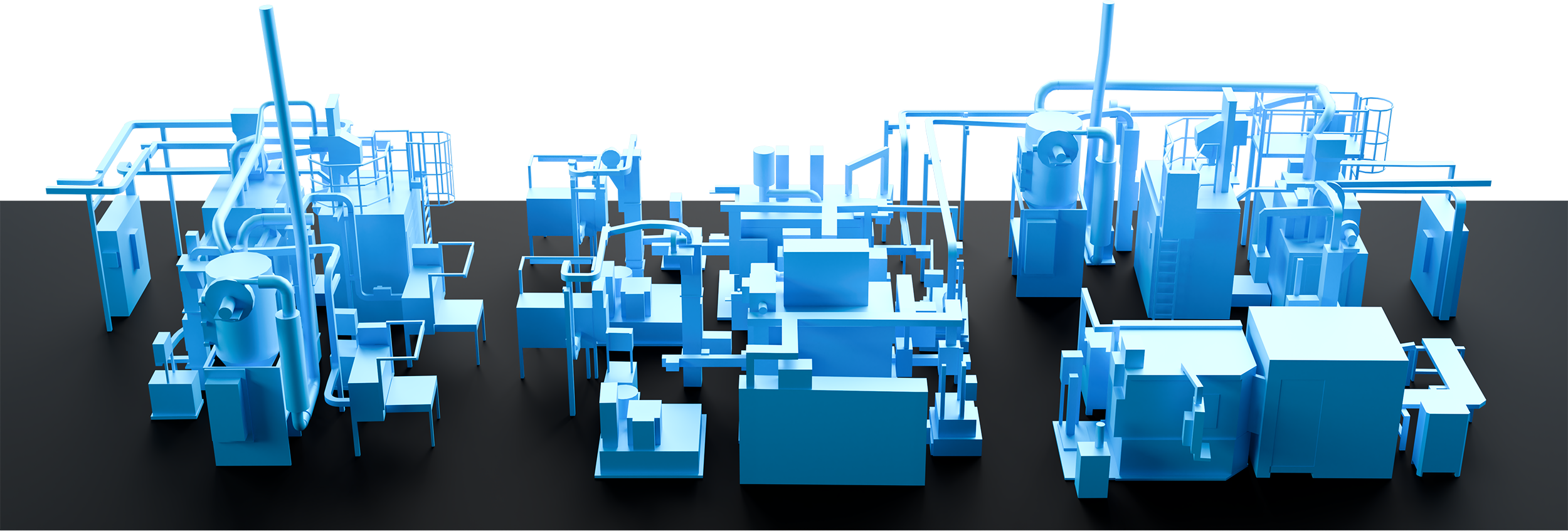

Asseco CEIT delivers a comprehensive, end-to-end approach to noise control in industrial environments. We go beyond basic measurements to provide engineered acoustic solutions that eliminate noise at its source and improve overall production performance.
Our expert process ensures precise and measurable results:
Detailed Acoustic Analysis
We use certified equipment to analyse noise in real production conditions, identifying key sources and frequency patterns. We create acoustic maps of manufacturing facilities to pinpoint critical noise zones.
Customised Engineering Solutions
We design customized industrial noise reduction solutions using the analysis results.This may include machine noise reduction, acoustic enclosures, sound-absorbing materials, and optimisation of maintenance processes.
Full Implementation in Production
As a single partner, we manage the complete implementation of industrial acoustic solutions, ensuring minimal disruption to your manufacturing operations.

We Take Responsibility
One Partner for Your Manufacturing Project
We manage the full process – from analysis to implementation – within your manufacturing environment.
Guaranteed Measurable Results
We define clear noise reduction targets and guarantee measurable results – taking full responsibility for performance in your manufacturing environment.
Expert Diagnosis on the Shop Floor
Our specialists perform detailed industrial noise measurements directly in real operating conditions using certified tools.
Efficient Project Execution
Our integrated approach reduces complexity, shortens timelines, and lowers overall costs.
Customized and Cost-Effective Solutions
We focus on high-impact noise reduction measures that deliver measurable ROI in manufacturing environments.
End-to-End Responsibility
We design and implement the solution, ensuring full accountability for noise reduction performance.
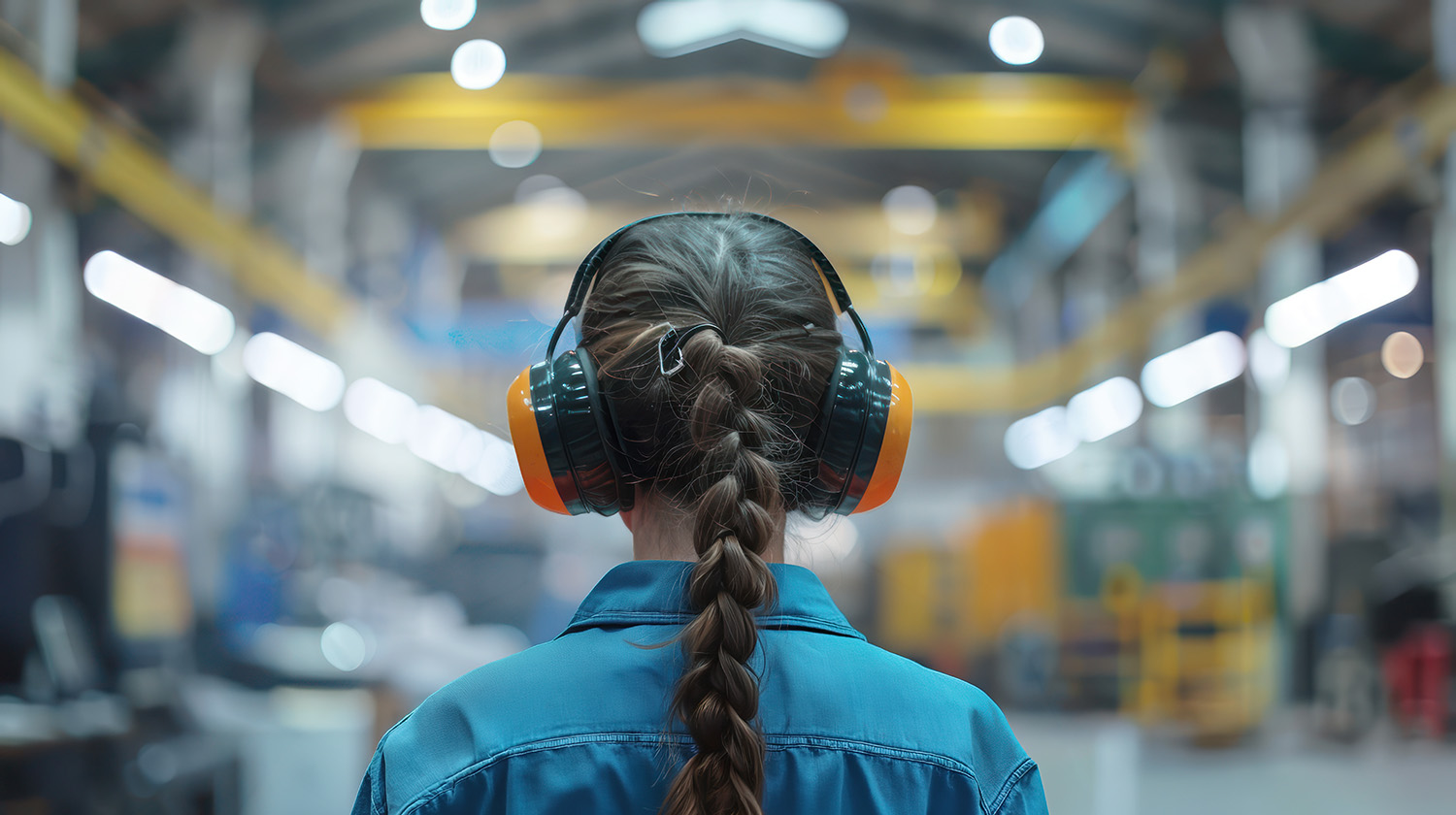
The Measurable Benefits for Your Manufacturing Operations
Ensure Compliance with Industrial Noise Regulations
Meet all occupational noise standards and safety requirements with confidence.
Increase Productivity on the Shop Floor
Lower noise levels improve concentration, communication, and work quality.
Optimise Production Performance
Reduced noise often leads to more efficient machine operation and smoother workflows.
Improve Health & Safety in Industrial Environments
Protect employees from noise-related risks and improve overall workplace safety.
Find noise. Fast.
Advanced acoustic camera for industrial environments
The acoustic camera enables real-time localization of noise sources by combining a microphone array with visual imaging. It delivers a clear acoustic overlay, making it easy to identify where sound is generated and how intense it is.
It helps detect leaks and mechanical issues early, reduce noise in production environments, and perform safe, non-contact measurements even in challenging conditions. At the same time, it provides instant, visual results with full documentation.
Fast ROI. Immediate insights. Practical for everyday industrial use.

Ready to Optimise Your Manufacturing Environment?
Take the first step towards a quieter, safer, and more efficient manufacturing facility. Our experts will analyse your operations and design a custom industrial noise reduction solution tailored to your needs.
Frequently Asked Questions for Industrial Noise Control
What are the main sources of industrial noise?
Industrial noise typically originates from machinery, production processes, material handling, and auxiliary systems such as ventilation or compressed air. Identifying the dominant source is the first step toward effective mitigation.
Can noise be reduced at the source?
Yes, addressing noise at the source is typically the most effective approach. This may involve equipment modifications, vibration isolation, maintenance, or process adjustments.
Will noise control affect production or maintenance?
Well-designed solutions take operational requirements into account, ensuring minimal impact on productivity, accessibility, ventilation, and safety.
Is every solution customized?
Yes, each project is tailored to the specific conditions, requirements, and constraints of the facility to ensure optimal results.
How is industrial noise measured?
Noise is measured in decibels (dB), often with frequency analysis to better understand its characteristics. Measurements are taken at key locations to assess both overall levels and specific problem frequencies.
What if source reduction is not sufficient?
When noise cannot be adequately reduced at the source, solutions along the transmission path—such as acoustic enclosures, barriers, and sound-absorbing materials—are implemented.
Are noise reduction solutions cost-effective?
Effective solutions are designed to balance performance and cost, delivering measurable noise reduction while ensuring long-term value and compliance.
What results can we expect from noise reduction?
The achievable noise reduction depends on the specific sources and conditions in your facility. In most cases, well-designed solutions can reduce noise levels by several decibels, often resulting in a significant improvement in working conditions, communication, and compliance. Clear targets are defined during the analysis phase to ensure measurable outcomes.
What are the legal requirements for noise levels?
Noise limits vary depending on local regulations and industry standards. These may apply to employee exposure as well as environmental noise affecting surrounding areas.
How can employees be protected from noise?
If residual noise remains, protective measures include personal protective equipment (PPE) such as earmuffs or earplugs, along with organizational controls like shift rotation.
How long does it take to implement a solution?
The timeline depends on the complexity of the problem, from initial assessment and measurements to design, manufacturing, and installation.
Do you provide post-implementation verification?
Yes, after implementation we perform follow-up measurements to verify that the expected noise reduction levels have been achieved. This ensures that the solution delivers the agreed performance and meets all relevant standards and requirements.